Don’t Wait in Pain: Visit an Emergency Dentist in Beverly Hills
@emiliofmgf110
October 1, 2026 · 15 min read
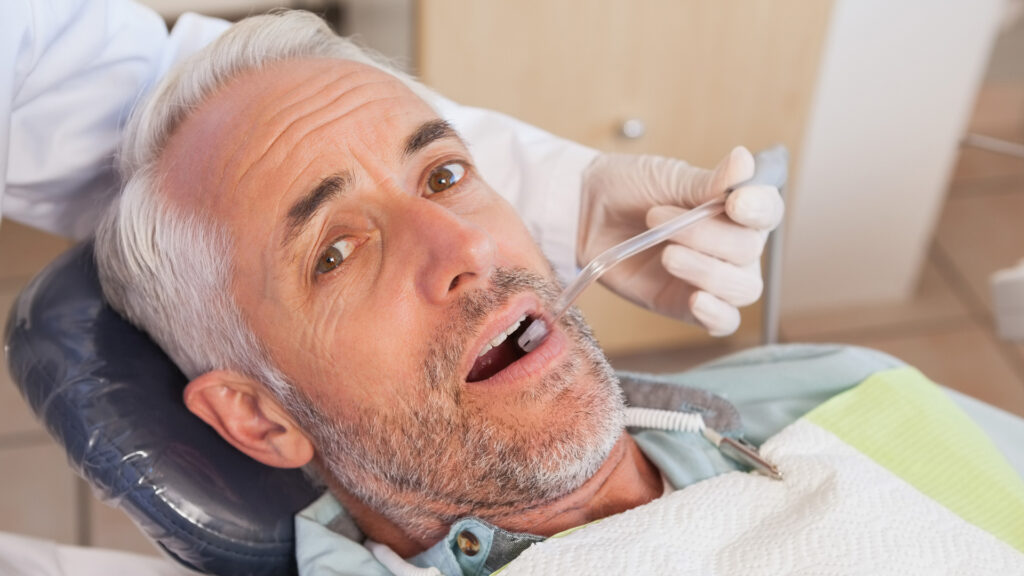


Dental pain has a way of taking over everything. It can start as a dull throb in the late afternoon, then become the only thing you notice by dinner. Sleep gets interrupted. Eating turns into a calculation. Even speaking can feel like work. When that kind of pain hits, waiting rarely makes sense.
People often hope a toothache will calm down on its own. Sometimes the pain does ease for a few hours, which creates a false sense of relief. In practice, that quiet period can be the dangerous part. A nerve may be dying, pressure may be building under the gum, or an infection may be spreading beyond the tooth itself. By the time the pain becomes impossible to ignore, the treatment needed is often more involved than it would have been a day earlier.
That is why access to an Emergency Dentist Beverly Hills matters. The goal in an emergency visit is not just to get someone out of immediate discomfort, though that alone is important. It is to stabilize the problem, prevent complications, and protect the tooth, the surrounding bone, and sometimes the patient’s overall health.
When dental pain becomes an emergency
Not every dental problem needs same-day care, but many do. The challenge is that most patients are not trained to tell the difference. They know something feels wrong, but not whether it can wait until next week. In the office, the pattern is familiar. A patient comes in after trying to “give it a day,” and the problem turns out to be a cracked molar with the nerve exposed, or an abscess that has been draining and reinfecting the area.
A true dental emergency usually involves one of three things: significant pain, active infection, or trauma. Those categories overlap more than people expect. A broken tooth can expose the pulp and lead to infection. Swelling can push against surrounding tissues and create severe pain. A lost crown may not sound urgent at first, but if it leaves a heavily restored tooth unprotected, the underlying structure can fracture further in a matter of hours or days.
Certain Emergency Dentist Beverly Hills symptoms should move the issue out of the “watch and wait” category and into urgent evaluation.
- Persistent tooth pain that keeps you from sleeping, eating, or concentrating
- Swelling in the gums, face, or jaw
- A knocked-out, cracked, or broken tooth
- Bleeding that does not stop with gentle pressure
- Signs of infection such as bad taste, pus, fever, or pain with pressure
That list is short, but each item covers a lot of ground. A cracked tooth can mean a small chip in enamel, or it can mean a split running down into the root. Swelling might look minor in the mirror and still reflect a deeper infection. Dental emergencies are often more serious beneath the surface than they appear from the outside.
The cost of waiting too long
One of the hardest parts of emergency dental care is that many people delay for practical reasons. They may worry about cost, scheduling, embarrassment, or the fear that the visit will lead to a difficult procedure. Those concerns are understandable. What changes the picture is what delay tends to do to the problem itself.
A cavity that reaches the nerve rarely reverses course. If bacteria enter the pulp chamber, the body cannot clear that infection the way it might handle a minor skin irritation. The pressure builds inside a rigid tooth, which is why infected teeth can cause such intense pain. Once swelling moves into the gum or cheek, the issue is no longer confined to one small spot. It can affect nearby teeth, supporting bone, and the patient’s ability to function normally.
There is also the problem of preserving treatment options. A cracked tooth seen early may be saved with a crown. The same tooth, after a few more days of biting pressure and temperature changes, may split below the gumline and become unrestorable. A dislodged tooth treated quickly may be replanted. Wait too long, and the window narrows dramatically.
From a financial standpoint, early treatment is often less expensive than emergency treatment after complications develop. A filling becomes a root canal and crown. A root canal becomes an extraction and implant. The difference is not just clinical. It is time, discomfort, and recovery.
What an emergency dentist actually does
Many people assume an emergency dental visit is limited to pain medication and a quick look. A well-run emergency appointment is much more purposeful. The first job is diagnosis. That usually means a clinical exam, a discussion of symptoms, and imaging when appropriate. X-rays are often essential because severe dental problems do not always show their full extent in the mouth alone.
Once the cause is clear, the next step is to reduce pain and stabilize the situation. Depending on the problem, that may involve draining an abscess, smoothing a sharp fracture, placing a temporary restoration, re-cementing a crown, performing emergency root canal therapy, or removing a tooth that cannot be saved. Sometimes definitive care happens the same day. Sometimes the emergency visit is the bridge that gets the patient comfortable and safe until the final treatment can be completed.
That distinction matters. Emergency care is not about doing the biggest procedure possible in one sitting. It is about judgment. If a patient arrives swollen, exhausted, and unable to tolerate a long appointment, a staged approach may be best. If the tooth is clearly non-restorable and causing significant infection, extraction may be the most appropriate path. Good emergency dentistry is decisive, but not rushed.
Why Beverly Hills patients often seek care at the last minute
Beverly Hills has its own pace. Schedules are packed. People move between work, family obligations, travel, public-facing events, and social commitments that leave very little room for an unplanned medical problem. It is common for patients to power through discomfort longer than they should because they feel they cannot step away for treatment.
There is also an aesthetic factor. In a community where presentation matters, front-tooth injuries, broken veneers, or sudden swelling can feel especially urgent. Someone with a cracked central incisor before a business presentation or a public event is not dealing only with pain. They are dealing with confidence, speech, and appearance in real time.
An experienced Emergency Dentist Beverly Hills understands that emergencies are not limited to textbook infections and trauma. A loose cosmetic restoration before a major meeting may not threaten the patient’s health, but it still deserves thoughtful same-day attention. In that sense, emergency dentistry in Beverly Hills often sits at the intersection of function, health, and appearance. The best care addresses all three without losing sight of what is medically necessary first.
Toothaches are not all the same
Patients often use the word “toothache” as if it describes one thing. Clinically, it can mean several very different problems. Sharp pain with cold may suggest exposed dentin, a cracked tooth, or an irritated nerve. Throbbing pain that worsens when lying down often points to pulpal inflammation or infection. Pain on biting can mean a fracture, a high filling, ligament inflammation, or an abscess at the root tip.
That variation is one reason self-diagnosis is unreliable. Two people can describe the same symptom and need completely different treatment. One may need a simple filling replacement. Another may need urgent endodontic care. Over-the-counter pain relievers can blur the picture temporarily, but they do not identify the cause.
Even sinus pressure can mimic upper tooth pain, while grinding and clenching can create soreness that feels dental at first. On the other hand, a patient convinced that stress is causing jaw pain may actually have an infected molar. The value of a proper emergency exam is precision. You stop guessing and start treating the real problem.
Broken teeth, lost crowns, and dental trauma
Trauma creates a different kind of urgency. Sometimes it is obvious, such as a sports injury, a fall, or a collision. Sometimes it is surprisingly ordinary, biting into a hard olive pit, chewing ice, or clenching down on a weak, previously filled tooth. Molars with large old restorations are particularly vulnerable. They can hold together for years, then fail all at once.
A small chip may be mostly cosmetic. A larger break can expose dentin or pulp and leave the tooth exquisitely sensitive to air and temperature. If a front tooth is fractured, fast evaluation matters for both structural and aesthetic reasons. If the tooth is knocked out completely, time is critical. The periodontal ligament cells on the root surface begin to lose viability quickly once the tooth dries out.
In those situations, what the patient does before arrival can influence the outcome.
- If a tooth is knocked out, hold it by the crown, not the root
- Rinse it gently with clean water if dirty, but do not scrub it
- If possible, place it back in the socket or keep it in milk until you are seen
- For bleeding, apply gentle pressure with clean gauze
- Avoid chewing on the injured side
Those are first-aid measures, not substitutes for care. Still, they can make a meaningful difference in the first 30 to 60 minutes after an injury.
Infection is the issue that deserves the most respect
Of all dental emergencies, infection is the one people most often underestimate. A tooth abscess may begin with pain and sensitivity, then progress to swelling, drainage, foul taste, and tenderness when chewing. Occasionally the pressure releases and the pain drops, which can trick patients into thinking the problem is improving. Often it is not. The infection may still be active and can flare again, sometimes more aggressively.
When swelling spreads into the cheek, under the jaw, or toward the eye, the situation becomes more serious. Difficulty swallowing, limited mouth opening, fever, or a feeling of being generally unwell should never be brushed off. Dental infections can extend into facial spaces and become medically significant.
Antibiotics have a role, but patients are often surprised to learn that antibiotics alone do not fix the underlying dental source. If the problem is a necrotic tooth or a trapped abscess, the source usually needs to be drained, the tooth treated, or the tooth removed. Medication can support recovery, but source control is what resolves the emergency.
What to expect during the visit
The most anxious patients often relax once they understand what the appointment will look like. Emergency visits are usually focused and efficient. The dentist will want to know when the pain started, whether it is triggered by cold, heat, or biting, and whether swelling, fever, or trauma is involved. Previous dental work on the tooth matters. So does medical history, especially allergies, heart conditions, immune compromise, pregnancy, and current medications.
Examination may include percussion testing, bite testing, thermal testing, periodontal probing, and X-rays. None of that is done for show. A tooth with deep decay behaves differently than a vertical fracture. A gum abscess is managed differently than pain caused by clenching. The treatment decision depends on the diagnosis being right.
If local anesthesia is needed, most patients are relieved to find that numbing the area brings fast relief. Modern anesthetic techniques are generally very effective, even though inflamed teeth can occasionally require extra time or supplemental methods to become fully comfortable. Once the tooth is numb, the dentist can work without Emergency Dentist Beverly Hills forcing the patient through unnecessary pain.
Sometimes the final answer is, “We can save this tooth.” Sometimes it is, “This tooth has reached the point where removing it is the healthiest choice.” Honest communication matters here. False reassurance helps no one. Patients deserve clarity about what is urgent, what is optional, and what comes next.
The difference between urgent care and comprehensive care
Emergency dentistry solves immediate problems, but it also opens the door to a bigger conversation. If a patient presents with an abscess caused by years of untreated decay, the emergency visit is only the first chapter. If another patient chips a front veneer because of nighttime grinding, treating the chip without addressing the grinding means the cycle may repeat.
The strongest dental practices handle emergencies with both speed and perspective. They relieve pain now, then map out how to prevent the same crisis from returning. That could mean replacing failing restorations, using a night guard, finishing root canal therapy with a crown, or planning longer-term restorative care after an extraction.
This is where experience shows. Not every painful tooth should be crowned. Not every broken tooth should be extracted. Not every swelling needs the same medication. Dentistry is full of gray areas, and emergencies expose them quickly. Sound judgment, grounded in radiographs, exam findings, and the patient’s goals, is what separates rushed treatment from responsible care.
Cosmetic concerns can still be true emergencies
There is a tendency to separate cosmetic dentistry from emergency dentistry, but real life is not that neat. A detached veneer the morning of a wedding, a fractured bonding edge before a filmed interview, or a front crown that loosens during travel can create urgent functional and social problems even when pain is minimal.
In Beverly Hills especially, the visible side of dental emergencies deserves attention. Speech sounds can change when front teeth are damaged. Sharp porcelain edges can cut the lip. Temporary fixes from a drugstore may hold a piece in place for a few hours, but they are not a substitute for a proper evaluation of the tooth underneath. If decay or recurrent leakage is present, simply reattaching the visible restoration misses the real issue.
A dentist who handles emergencies well will not dismiss cosmetic urgency as vanity. Appearance affects livelihood, confidence, and communication. The key is to address appearance without compromising the biology of the tooth.
Children, older adults, and special situations
Emergency dental care is not one-size-fits-all. Children with trauma require a careful distinction between baby teeth and permanent teeth because management differs. Reimplanting a knocked-out baby tooth, for example, is generally not appropriate. Older adults may present with brittle restorations, root caries, dry mouth from medications, or implants and bridges that complicate the picture.
Pregnant patients often worry about whether they can be seen safely. Most urgent dental issues should not be postponed simply because of pregnancy. Infection and uncontrolled pain can be more harmful than appropriately managed treatment. The dentist may adjust imaging protocols and medication choices, but urgent care is still important.
Patients with diabetes, immune suppression, recent joint replacement, or a history of complex medical treatment deserve especially careful coordination. Swelling that might remain localized in one person can become more concerning in another. A thorough medical history is not paperwork for its own sake. It shapes safer, smarter emergency decisions.
How to choose the right emergency dentist in Beverly Hills
When pain hits, most people search in a hurry. That is understandable, but a rushed search should still focus on a few essentials. Availability matters, but so do experience, diagnostic capability, and the ability to provide actual treatment rather than just referral. A practice that can take quality X-rays, perform same-day procedures when indicated, and communicate clearly saves patients time and uncertainty.
You also want a setting that understands urgency without creating chaos. The best emergency visits feel calm, not frantic. Staff ask the right questions. Pain and swelling are taken seriously. Costs and next steps are explained before treatment moves forward. If the tooth can be stabilized that day, the office is prepared to do it.
For many patients, location within Beverly Hills matters less than responsiveness and clinical skill. A nearby office is convenient, but a convenient office that cannot diagnose or treat decisively is not much help in a real emergency.
The smartest move is early action
Most dental emergencies do not start as emergencies. They start as symptoms people try to manage around. A little sensitivity becomes pain with cold drinks. Pain with cold becomes pain when chewing. Then one night it stops being manageable.
Acting early changes the trajectory. It protects teeth that can still be saved. It reduces the odds of swelling and infection. It shortens recovery and often lowers overall cost. Just as important, it spares patients the fatigue that comes from trying to work, parent, travel, or sleep while in significant pain.
If you are debating whether the problem is serious enough, that hesitation itself is often the signal. Healthy teeth do not throb, swell, break under normal chewing, or keep you awake at 2 a.m. When any of that happens, it is time to stop hoping it will pass and let a professional assess it properly.
For anyone dealing with sudden dental pain, facial swelling, trauma, or a damaged restoration that cannot wait, seeing an Emergency Dentist Beverly Hills is not an overreaction. It is the practical step, the protective step, and very often the step that makes the difference between a manageable repair and a much bigger problem later.
Dental Group of Beverly Hills
8641 Wilshire Blvd #125, Beverly Hills, CA 90211, United States
Phone: +1 (310) 929-6335
FAQ About Emergency Dentist Beverly Hills
What is considered to be a dental emergency?
Severe tooth pain, a knocked-out permanent tooth, a significant tooth fracture, or suspected dental infection needs prompt professional assessment. Contact a dentist to describe the problem and arrange appropriate care. Trouble breathing or swallowing, uncontrolled bleeding, or major facial injury requires immediate emergency medical attention.
How to tell if tooth pain is serious?
Pain that is severe, persistent, or accompanied by fever, facial swelling, or a bad taste should be assessed promptly by a dentist. The cause cannot be confirmed from symptoms alone. If swelling affects breathing or swallowing, call 911 or go to an emergency department.
What do I do if I have a dental emergency and no dentist?
Call a nearby dental practice that accepts urgent patients and explain your symptoms, when they began, and any recent injury. Ask about the earliest available assessment and what information to bring. For life-threatening symptoms, seek emergency medical care immediately instead of waiting for a dental appointment.