Emergency Dentist Beverly Hills for Emergency Extractions and Pain Relief
@emiliofmgf110
October 1, 2026 · 17 min read


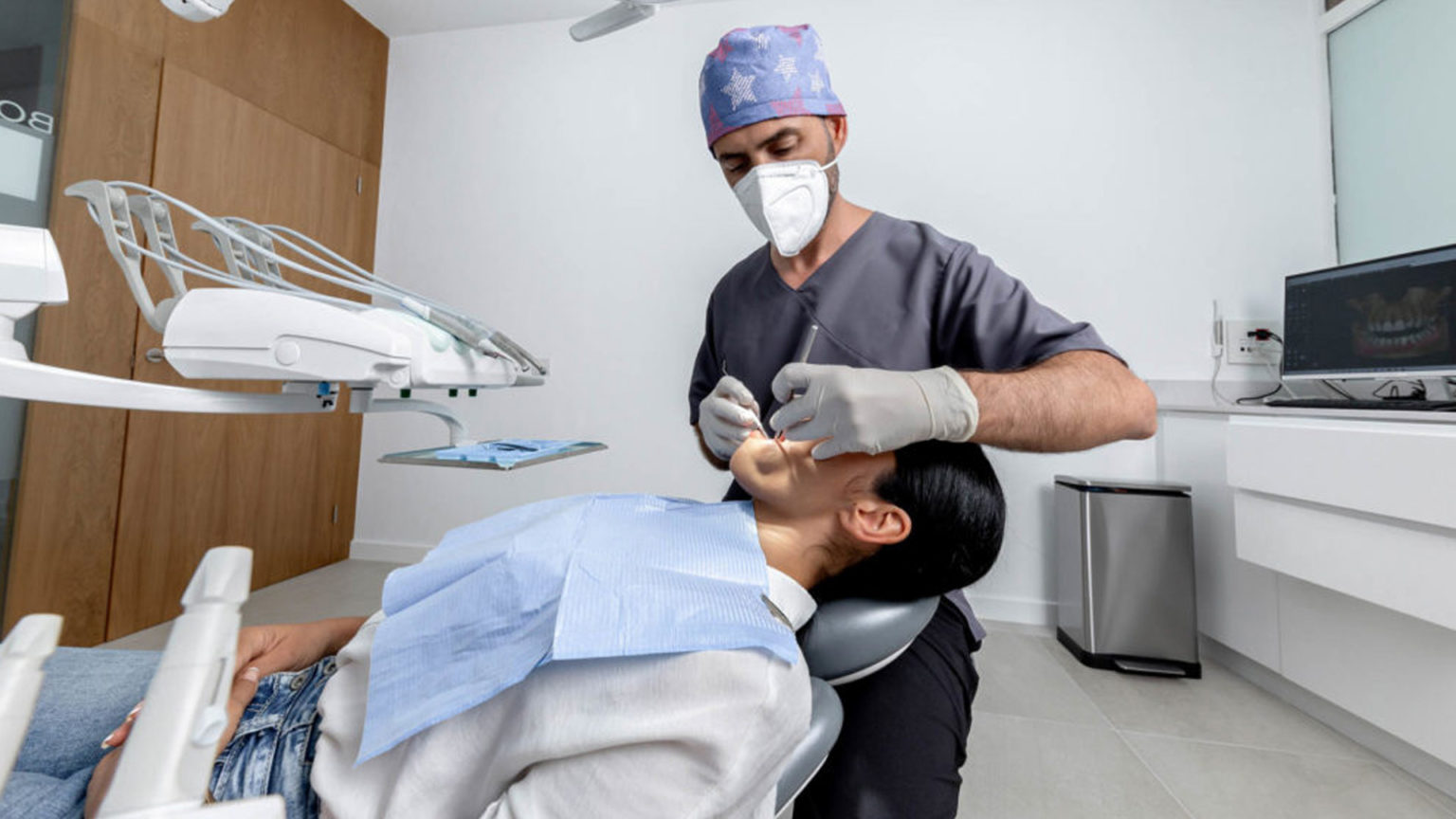
A true dental emergency rarely arrives at a convenient hour. It tends to show up during dinner, before a flight, in the middle of a work presentation, or at 2 a.m. When a dull toothache suddenly becomes sharp, throbbing, and impossible to ignore. In Beverly Hills, where schedules are tight and expectations for prompt care are high, patients usually want the same two things right away: fast pain relief and a clear answer about whether the tooth can be saved.
That is where an Emergency Dentist Beverly Hills patients can reach quickly becomes essential. Emergency dental care is not just about reacting to pain. It is about sorting out what is urgent, what can wait a day, and what needs immediate treatment to stop infection, protect surrounding teeth, or prevent a more serious medical problem. Extractions often enter the picture when the tooth is too damaged to restore, when swelling makes delay risky, or when a cracked or infected tooth has become the source of severe pain.
People often assume that a dental extraction is the first and only answer in an emergency setting. In practice, that is not how experienced emergency care works. The first job is diagnosis. The second is stabilizing the patient. Only then does the dentist decide whether extraction, drainage, a temporary restoration, root canal therapy, or medication is the best next move. Good emergency dentistry is measured as much by judgment as by speed.
When tooth pain crosses the line into an emergency
Not every toothache needs same-day treatment, but some symptoms should move a patient to the front of the line. The challenge is that dental pain can be misleading. A tooth with deep decay may ache intermittently for weeks, then flare dramatically once the nerve Emergency Dentist Beverly Hills is inflamed or the infection spreads into surrounding tissue. A cracked molar may feel manageable when chewing on one side, until the crack extends and every bite feels like an electric shock.
The symptoms that most often signal a genuine dental emergency include intense throbbing pain, visible swelling in the gum or face, pain with fever, a bad taste or pus near a tooth, trauma that loosens or fractures a tooth, and bleeding that does not settle. Difficulty opening the mouth, swallowing, or breathing raises the stakes further. Those signs suggest the problem has moved beyond a simple cavity and could be affecting deeper spaces in the face and jaw.
One of the more frustrating aspects of emergency tooth pain is how quickly it can escalate. Patients often tell a similar story. They noticed sensitivity to cold two months ago, then put off the appointment because life got busy. The tooth only bothered them once in a while, until one weekend it changed character completely. The pain became constant, sleeping became difficult, and over-the-counter pain medicine barely touched it. That pattern is common with irreversible pulpitis, advanced decay, or a tooth that has silently developed an abscess.
In Beverly Hills, many emergency patients are also balancing public-facing work, travel, or social commitments. Pain that might seem tolerable in private becomes urgent when there is visible swelling, difficulty speaking clearly, or a front tooth fracture that affects appearance. Function and appearance both matter, especially when the emergency involves the smile zone.
Why emergency extractions become necessary
Tooth extraction is usually a last resort in routine dentistry, but emergencies change the calculus. When a tooth cannot be predictably restored, holding onto it can prolong pain, increase infection risk, and create unnecessary cost. The decision to remove a tooth in an emergency typically comes down to whether the remaining tooth structure, periodontal support, and surrounding bone offer a realistic path to recovery.
A few situations frequently lead to emergency extraction. A tooth may be broken below the gumline after trauma. A wisdom tooth can become partially erupted, infected, and swollen enough to limit jaw opening. A severely decayed molar may have lost so much structure that even if the pain could be settled temporarily, there is not enough healthy tooth left for a crown. Some teeth split vertically. Those are especially disappointing because the crack may hide until biting pain becomes severe, and once the fracture extends into the root, saving the tooth is often not possible.
Infected teeth present another layer of judgment. If the infection is localized and the patient is stable, the dentist may recommend extracting the tooth the same day to remove the source. If swelling is extensive, anesthesia is less effective, mouth opening is limited, or the infection is spreading into deeper facial spaces, the immediate plan may involve draining the infection, prescribing medication when indicated, and controlling the acute phase before definitive treatment. Emergency care is rarely one-size-fits-all.
Patients sometimes ask whether antibiotics alone can fix the problem. They can help in selected cases where there is swelling, spreading infection, or systemic symptoms, but they do not remove decay, seal a fractured tooth, or clean out a dead nerve. Pain may ease for a short time, then return because the underlying cause remains. That is why emergency dentists focus on source control, not symptom cover.
What happens during an emergency dental visit
A well-run emergency appointment moves with purpose. The dentist starts by locating the source of pain, which is not always obvious. The tooth that hurts most is not necessarily the tooth causing the problem. Pain can refer across the jaw, especially from molars. A focused exam usually includes questions about when the pain started, what triggers it, whether there is swelling or fever, and whether the pain lingers after hot or cold. X-rays are often needed, because a deep infection or root fracture is not something anyone should guess at.
Once the problem is identified, the dentist explains the realistic options. Sometimes the answer is reassuring. The tooth may need a filling or a crown and can wait briefly with temporary management. Other times the recommendation is direct: this tooth is not restorable, the infection is significant, and removing it now is the safest way to stop the pain.
For patients who need an extraction, the fear is often worse than the procedure itself. Most emergency extractions are done with local anesthesia, and modern numbing techniques are generally very effective when infection has not significantly altered the tissue chemistry. In a hot, inflamed area, getting complete numbness can be harder, which is why skill and patience matter. The dentist may use several anesthetic approaches, wait longer than usual for full effect, and work in stages if the tooth is broken or brittle.
Simple extractions involve loosening the tooth and removing it through the socket. Surgical extractions are more involved and may require opening the gum or sectioning the tooth into pieces to reduce trauma to the surrounding bone. Patients are often relieved to learn that surgical does not necessarily mean dramatic. It usually just means the access or removal is more complex than a straightforward lift.
Pain relief often begins before the tooth is fully treated. Draining pressure from an abscess, removing debris trapped around an erupting wisdom tooth, smoothing a sharp fracture edge, or opening a tooth to relieve internal pressure can change the patient’s pain level quickly. That kind of immediate improvement is one of the clearest signs of effective emergency care.
Pain relief is more than just a prescription
A common misconception is that an emergency dentist primarily writes prescriptions. Medication can play a role, but the strongest pain relief usually comes from treating the cause. If the tooth is abscessed, taking pressure off the area matters more than masking discomfort for a few hours. If the pulp is irreversibly inflamed, no mouth rinse or home remedy will calm it for long.
When medications are appropriate, a dentist may recommend a short, thoughtful regimen based on the patient’s health history, allergies, and the nature of the problem. Anti-inflammatory medications are often central because much of dental pain is driven by inflammation in confined spaces. Patients with stomach, kidney, bleeding, or cardiovascular concerns need tailored guidance, which is one reason dental pain should not be self-managed indefinitely with whatever is in the medicine cabinet.
Cold compresses can help with swelling on the outside of the face. Warm salt water may soothe irritated gum tissue in some situations. Soft foods, careful oral hygiene, and avoiding chewing on the affected side can prevent a painful situation from worsening before treatment. Still, these are supportive measures, not substitutes for care.
There is also a practical emotional side to pain relief that should not be overlooked. A patient in severe dental pain is often sleep deprived, anxious, and struggling to think clearly. Good emergency dentists know that the conversation itself matters. Explaining what is happening, how soon relief is expected, and what the next 24 hours will look like can lower stress in a way that genuinely improves the patient’s experience of pain.
The extraction itself, what patients usually feel and fear
Most people do not actually fear the tooth being removed. They fear the injection, the possibility of feeling pain during the procedure, and the loss of control that comes with being in the chair while uncomfortable. Those fears are reasonable, and experienced clinicians address them directly rather than pretending they do not exist.
The goal during an extraction is pressure without sharp pain. Patients often feel pushing, movement, and vibration. Those sensations can be strange, but they are not the same as pain. If a patient feels something sharp, that matters, and the dentist should stop, reassess, and improve anesthesia before continuing. Good communication during the procedure is a mark of quality care.
A difficult extraction does not always mean a bad outcome. Teeth with curved roots, brittle crowns, or heavy infection can take longer to remove cleanly. The dentist may need to section the tooth or remove a small amount of surrounding bone. Counterintuitively, these careful surgical steps often reduce overall trauma compared with forcing a stubborn tooth out in one piece.
After the tooth is removed, the socket needs a stable blood clot to begin healing. That early phase is simple but important. It is also where many preventable complications start, particularly when patients smoke, rinse aggressively, use straws too soon, or return to strenuous activity before the clot has stabilized.
Recovery after emergency extraction
The first day after an extraction is usually about bleeding control, clot protection, and keeping discomfort manageable. Emergency Dentist Beverly Hills Some oozing is normal. Steady, heavy bleeding is not. Swelling tends to peak during the first two to three days, and jaw soreness can be more noticeable on the second day than the first, especially after a difficult lower molar or wisdom tooth extraction.
Diet matters more than many people expect. Soft, cool, non-irritating foods make the first day easier. Crunchy foods, seeds, alcohol, and smoking can all interfere with healing. Oral hygiene should continue, but with care around the surgical site. Patients sometimes avoid brushing entirely because they are worried about disturbing the area, but a clean mouth usually heals better than a neglected one.
The complication most patients have heard about is dry socket. It is painful, but it is not an infection in the usual sense. It happens when the protective clot is lost too early, exposing the underlying bone and nerves. The pain typically starts a few days after the extraction and can radiate toward the ear or temple. It is far more common after lower molar extractions, especially in smokers or after traumatic removals. Prompt treatment can make a large difference in comfort.
Healing timelines vary, but a simple extraction site often settles substantially within a week or two. The bone and gum continue remodeling for much longer. That matters if the patient is considering an implant or another tooth replacement option later. An emergency visit is often the start of a longer restorative plan, not the end of the story.
Cases where saving the tooth may still be the better choice
Not every painful tooth should be extracted in an emergency, even when the pain is severe. A tooth with an infected nerve may be an excellent candidate for root canal treatment if the surrounding tooth structure is still sound. A fractured cusp on a molar may be restored with a crown if the crack has not reached the root. An abscess related to a previously treated tooth may be manageable with retreatment or apical surgery in selected cases.
The trade-offs are important. Extraction can bring rapid relief and remove the immediate source of infection, but it also creates a space that may affect chewing, neighboring tooth movement, and long-term bite stability. Replacing the tooth with an implant, bridge, or partial denture adds time and expense later. Saving the tooth, when realistic, often preserves function more naturally. The right decision depends on prognosis, not sentiment.
Patients appreciate honesty here. There is a big difference between a tooth that can be saved and a tooth that can be patched temporarily at high cost with poor long-term odds. Emergency dentists earn trust by making that distinction clearly.
When facial swelling becomes urgent
Swelling can be deceptive. Mild localized gum swelling near a painful tooth is common and often manageable in the dental office. Diffuse facial swelling, worsening tenderness under the jaw, fever, or a patient who struggles to swallow is another category entirely. Dental infections live in an area rich with fascial planes, and while most stay localized, some spread in ways that become medically serious.
An experienced Emergency Dentist Beverly Hills provider knows when office treatment is appropriate and when a patient needs referral for hospital-based care. That threshold matters. If swelling threatens the airway, causes significant trismus, or is accompanied by systemic illness, speed matters more than convenience. No responsible dentist treats those warning signs casually.
Here are the red flags that deserve immediate attention:
- Rapidly increasing facial or jaw swelling
- Fever, chills, or a generally ill feeling with dental pain
- Trouble swallowing, trouble breathing, or drooling
- Inability to open the mouth normally
- Swelling that extends toward the eye or down into the neck
These are not symptoms to watch overnight at home. They warrant prompt professional evaluation.
Practical advice before you get to the office
The period between the start of acute pain and the appointment can feel very long, especially if it happens outside routine hours. A few sensible steps can prevent things from getting worse. Eat only if you can do so comfortably, and choose something soft. Keep the mouth as clean as possible. Use a cold compress on the outside of the face if swelling is present. Take only medications that are safe for you based on your own medical history and prior instructions from a clinician.
Patients should avoid placing aspirin directly on the gum, a home remedy that still circulates despite causing chemical burns. They should also avoid using leftover antibiotics from an older prescription or someone else’s medicine cabinet. Those choices can complicate diagnosis and do not solve the problem.
If a tooth has been chipped or broken, save any large fragment and bring it to the appointment. If the issue is a knocked-out permanent tooth, time matters, and the handling is specific. Hold the tooth by the crown, not the root, gently rinse visible dirt if needed, and keep it moist while seeking care right away. Reimplantation success drops quickly as dry time increases.
Choosing the right emergency dental care in Beverly Hills
Availability matters in an emergency, but so does scope of care. Not every office that sees urgent patients is equipped for difficult extractions, complex infection management, or same-day diagnostics. In a place like Beverly Hills, patients often assume every dental office offers the same emergency capability. They do not.
A strong emergency visit depends on a few practical elements:
- Same-day assessment with diagnostic imaging
- Experience with both simple and surgical extractions
- Clear pain management and aftercare instructions
- A plan for follow-up, including replacement options if a tooth is removed
- Referral judgment when the problem exceeds office-based treatment
That mix of technical skill and triage judgment makes a real difference. A rushed extraction in the wrong setting can turn a painful day into a prolonged recovery. A careful, well-indicated extraction can do the opposite, stopping pain quickly and setting up a smoother next step.
What patients often ask about cost, timing, and next steps
Emergency dental decisions are rarely made in a vacuum. Patients naturally want to know what the visit will involve financially, whether they can return to work the same day, and what happens if the extracted tooth was visible when they smile. Those questions deserve direct answers.
Costs vary with the complexity of the exam, imaging, and whether the extraction is simple or surgical. The most honest approach is to explain ranges only after the diagnosis is clear. A tooth that looks straightforward on the surface may prove more involved once the x-ray and exam reveal curved roots, severe fracture, or surrounding infection. Good offices discuss fees before treatment proceeds, not after.
As for timing, many people can resume desk work the next day after a routine extraction, sometimes even the same day if the appointment was early and the procedure was uncomplicated. Public speaking, filming, major social events, or strenuous exercise are different matters. Swelling, numbness, and fatigue are practical considerations, and lower posterior extractions often deserve a little more recovery time than front teeth.
When appearance is part of the emergency, temporary solutions may be possible. A front tooth that must be removed can sometimes be followed by a temporary cosmetic replacement while the site heals, though that depends on infection level, tissue condition, and the long-term restorative plan. This is where emergency dentistry overlaps with cosmetic and restorative judgment. The immediate fix has to support the future one.
Relief first, then a durable plan
The best emergency dental care does not stop with getting a patient out of pain. It also maps what comes next. If the tooth was removed, does the patient need a bone graft to preserve the site for an implant? If the tooth was saved temporarily, how soon should root canal therapy or a crown follow? If a wisdom tooth caused the crisis, should the opposing or neighboring tooth be evaluated as well?
That broader view matters because dental emergencies often expose underlying patterns. A patient with one catastrophic molar fracture may also have heavy grinding wear. Someone with repeated abscesses may have delayed routine care because of anxiety or scheduling problems. A person who loses a tooth to decay may need a prevention plan that is more realistic for their habits, diet, and travel schedule, not just a lecture to floss more.
For anyone searching for an Emergency Dentist Beverly Hills practice, the most valuable combination is straightforward: quick access, calm diagnosis, skilled pain relief, and a treatment recommendation grounded in long-term judgment. When an extraction is necessary, it should be done decisively and with careful follow-through. When a tooth can be saved, that option should be explained honestly. The immediate goal is relief. The bigger goal is getting the patient back to eating, sleeping, speaking, and living normally, without carrying the same problem into the next week or the next midnight flare-up.
Dental Group of Beverly Hills
8641 Wilshire Blvd #125, Beverly Hills, CA 90211, United States
Phone: +1 (310) 929-6335
FAQ About Emergency Dentist Beverly Hills
What is considered to be a dental emergency?
Severe tooth pain, a knocked-out permanent tooth, a significant tooth fracture, or suspected dental infection needs prompt professional assessment. Contact a dentist to describe the problem and arrange appropriate care. Trouble breathing or swallowing, uncontrolled bleeding, or major facial injury requires immediate emergency medical attention.
How to tell if tooth pain is serious?
Pain that is severe, persistent, or accompanied by fever, facial swelling, or a bad taste should be assessed promptly by a dentist. The cause cannot be confirmed from symptoms alone. If swelling affects breathing or swallowing, call 911 or go to an emergency department.
What do I do if I have a dental emergency and no dentist?
Call a nearby dental practice that accepts urgent patients and explain your symptoms, when they began, and any recent injury. Ask about the earliest available assessment and what information to bring. For life-threatening symptoms, seek emergency medical care immediately instead of waiting for a dental appointment.